
If you’re getting ready for your GCSEs or helping someone else out, it’s super important to get a grip on how GCSE grades work in the UK. Since they switched from the old A*–G system to the new GCSE grading system UK, many students and parents have been scratching their heads. But once you figure out how the grades are handed out and what each number means, it’s way easier to handle.
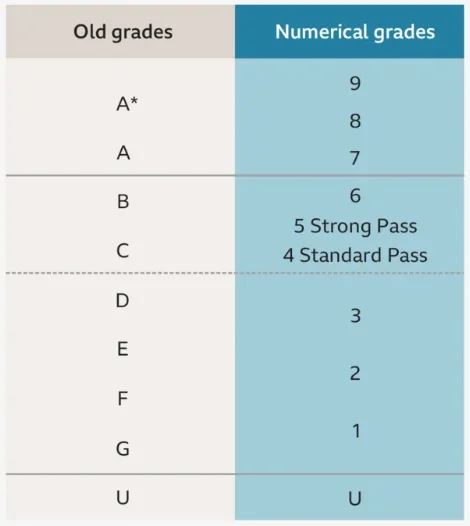
So, the current system uses numbers from 1 to 9, with 9 being the best and 1 being the lowest. This change rolled out between 2017 and 2019 to give a clearer picture of how students are doing and to give a shout-out to the top performers. Here’s how the numbers stack up against the old letter grades:
A Grade 4 is seen as a standard pass and is usually what most employers and sixth forms are looking for. A Grade 5 is considered a strong pass and shows you’ve got a good handle on the material.
Most GCSE subjects are tested through final exams at the end of Year 11. But some subjects still have coursework, practical work, or oral assessments. For instance, science classes often include hands-on experiments, and language classes assess your speaking and listening skills. This mix makes sure students are judged on a variety of skills, not just how they perform on written tests.
Also, keep in mind that the grading system is a bit different across the UK. England uses the GCSE grades 1 to 9 system, while Wales sticks with the old A*–G scale. Northern Ireland uses letters but has a C* grade, and Scotland has its own system called National 5.
One of the key parts of the system is the GCSE grade boundaries UK. These are the minimum scores you need to hit each grade, and they can change every year. Exam boards tweak the boundaries based on how tough the exam was and how students did overall. This keeps things fair, so no one gets stuck with a rough paper.